
Understanding the interactions between tyre formulation and environmental effect

Bangkok International Trade & Exhibition Trade Centre, March 11 2027
Join us
The Tyre Emissions & Sustainability Asia Conference brings together the brightest minds in tyre innovation, sustainability and regulation. From material scientists and engineers to policymakers and environmental leaders.
Since 2018, Emissions Analytics has convened experts from industry and academia to tackle one of mobility’s toughest challenges: how to design, manufacture and manage tyres that are both high-performing and environmentally responsible. How do we engineer tyres that shed fewer particles? How do we close the loop with recyclable materials and circular systems? And how can the industry scale sustainability without compromising safety or affordability?
In 2027 we’ll meet in Bangkok to share new data, reveal breakthroughs and debate what’s next for the global tyre ecosystem.

Organised by Emissions Analytics in association with TechnoBiz
Tyre Emissions & Sustainability Asia 2027, is being organised by Emissions Analytics in association with TechnoBiz. The event will take place as part of Tyre Tech Week 2027, from 10–12 March 2027, Bangkok, Thailand.
Tyre Tech Week, TechnoBiz's flagship Asia-Pacific industry event, will feature Tyre Emissions & Sustainability as a dedicated conference strand, bringing together tyre manufacturers, material suppliers, regulators and researchers to examine the real-world environmental impact of tyres, from rolling emissions and particulate matter to end-of-life considerations and the road ahead for sustainable tyre technology.
Emissions
Tyres are now recognised as one of the largest sources of non-exhaust vehicle emissions, shedding an estimated six million tonnes of material every year. As regulatory and scientific attention intensifies, the environmental impact of tyre wear particles and their chemical composition has come sharply into focus.
The forthcoming Euro 7 legislation is expected to include the first-ever limit on tyre wear, while global authorities (including the California Environmental Protection Agency) are leading efforts to regulate the ingredients used in tyre manufacturing. Compounds such as 6PPD, linked to the decline of fish populations, are under particular scrutiny, driving urgent research and innovation across the industry.
Sustainability
More than two billion tyres are produced globally each year, with each one carrying a significant carbon and environmental footprint from raw materials to end-of-life. The challenge now is to rethink the tyre lifecycle: how materials are sourced, how tyres are manufactured and how they can be recovered, recycled, or repurposed at scale.
Can the industry build a truly circular system, where sustainable sourcing and efficient recycling close the loop? Are existing regulations strong enough to drive and protect a sustainable supply chain?
Tyre manufacturing remains energy-intensive, but advances in process innovation and decarbonisation are opening new possibilities. The opportunity is clear: to transform tyres from a hidden environmental cost into a cornerstone of a cleaner, more sustainable mobility future.

Legislation: How regulations are tightening regarding tyre pollution signifies a global commitment to addressing environmental issues

Tyre Wear: Developing tyres with sustainable anti-degradation features is a proactive response to tightening regulations on tyre pollution

Chemical Composition: Understanding compounds and their potential health and environmental impact
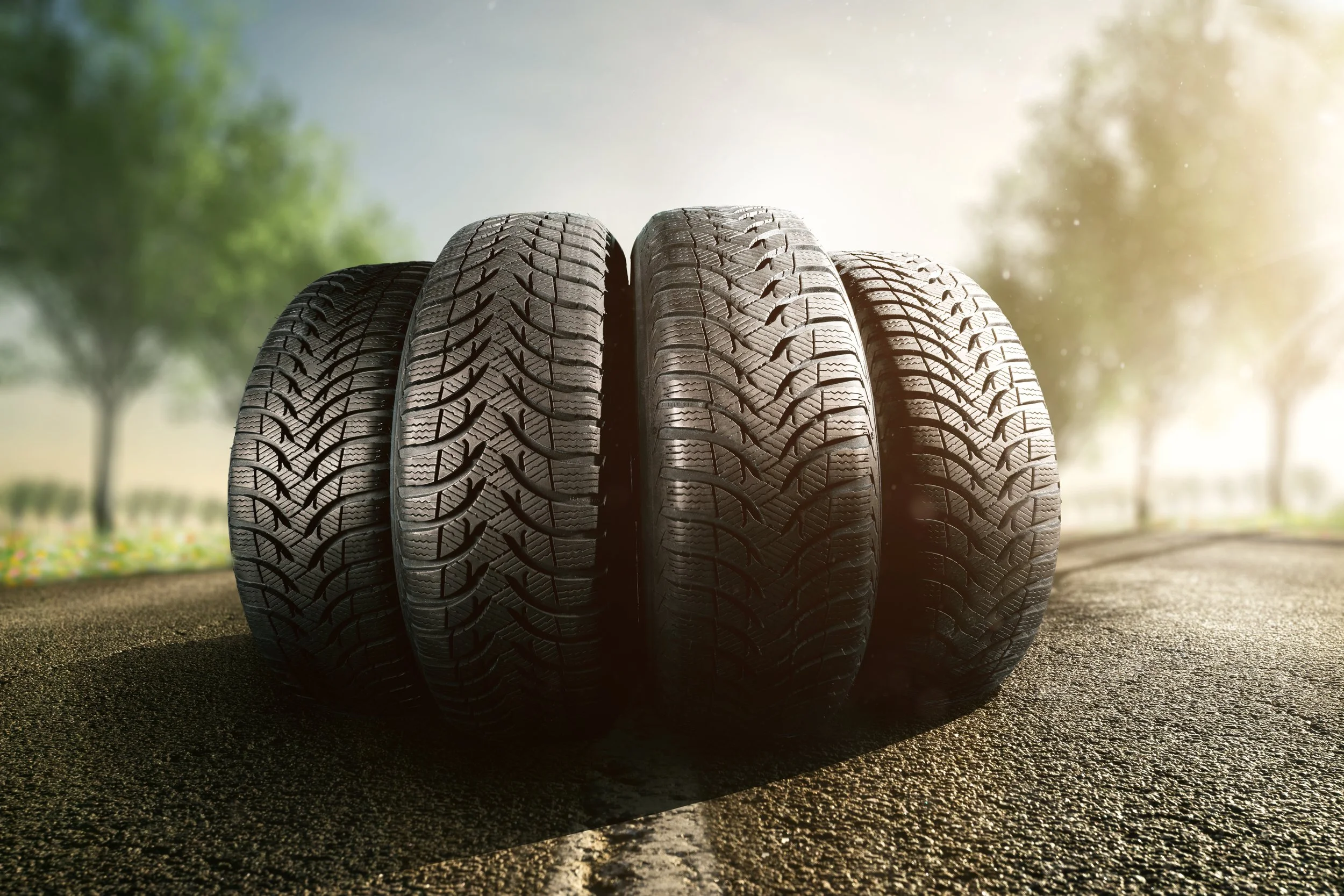
Sustainable Materials: Innovations in bio-sourced and regenerated materials
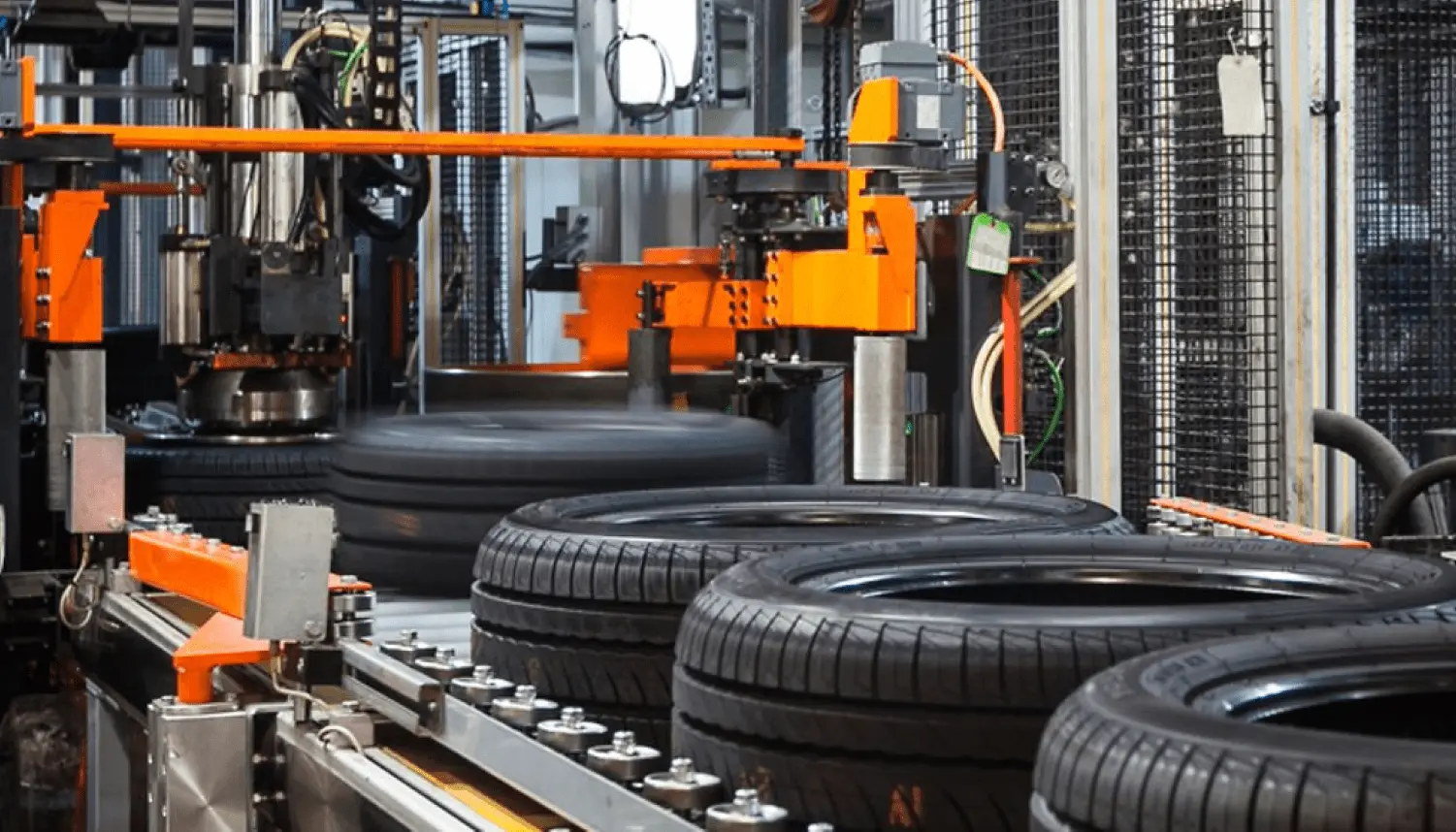
Manufacturing: Manufacturing, waste and recycling. How can the industry take another step forward?
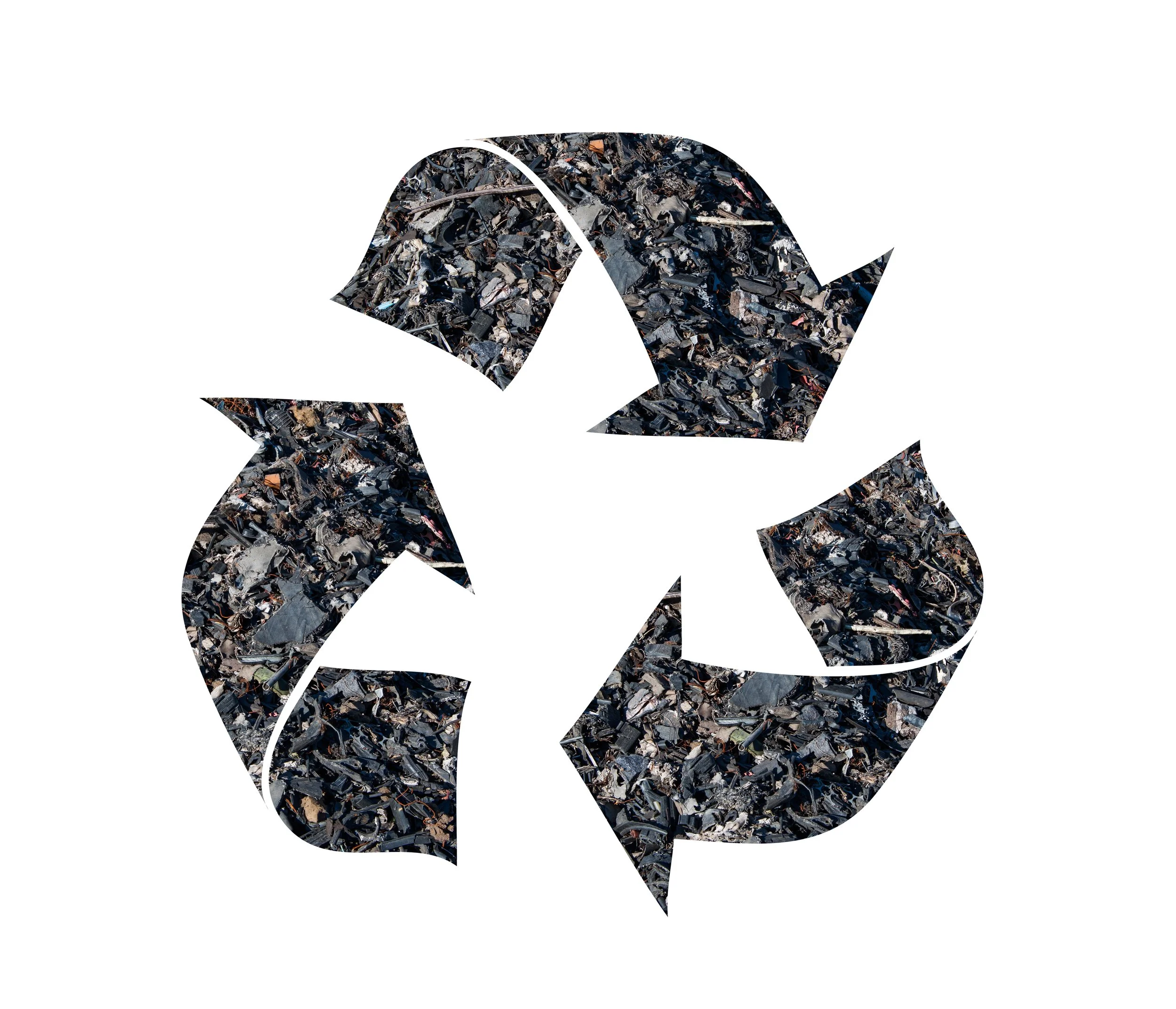
Recycling: Recycled tyre materials, potential for pyrolysis
Have questions? Get in touch.
We're here to help! Reach out to us at any time using the information below:
Email: Emissions Analytics
If you have any questions, please don't hesitate to contact us.

© Emissions Analytics 2025
Privacy | Disclaimer